A huge wind farm is coming to northern Maine. How will it impact bills?
September 2, 2026

Maine regulators recently gave the green light for a massive new wind farm in Aroostook County, a project they are touting as a win for the environment and consumers.
The 800-megawatt wind farm — which would be the largest renewable energy project in state history — and an associated 111-mile transmission line is still subject to a potentially hostile federal review, but it could end up saving consumers in Maine hundreds of millions of dollars over the decadeslong life of the project.
Some of the energy will go to the rest of New England, but three-quarters will stay in Maine.
“Developing new energy resources and transmission in Northern Maine can help deliver more affordable and reliable power, strengthen our grid, reduce Maine’s exposure to energy cost volatility, and create thousands of jobs and new economic opportunities in rural communities,” Gov. Janet Mills said in a statement on the project last month. “This is a historic opportunity to put Maine’s energy resources to work for ratepayers while supporting investment and economic development in Northern Maine.”
Here’s how this record-breaking wind farm and transmission came to be and how it could — eventually — save you money on your electric bill.
Back in 2021, Mills signed into law the Northern Maine Renewable Energy Development Program, which directed utility regulators to seek out clean power generation opportunities in Aroostook County, along with transmission lines that could carry that energy to the main New England grid.
The Maine Public Utilities Commission tried to recruit such a project in 2023. Negotiations between the regulators and a developer of the transmission line broke down on price point.
“From that process, we learned a lot of things,” PUC Chair Philip Bartlett said.
First thing’s first, Bartlett said, Maine needed more New England states in the game. This time, Maine shared project oversight and the cost of the transmission line with Massachusetts, Connecticut, Vermont and Rhode Island.
Plus, Maine regulators went for a previously under-utilized voluntary agreement structure, allowing negotiations between states and developers to move more smoothly, he said.
The PUC announced late last month that it awarded Clearway Energy, a San Francisco-based clean energy developer, the rights to develop a new 800-megawatt wind farm. Clearway did not immediately respond to a request for comment.
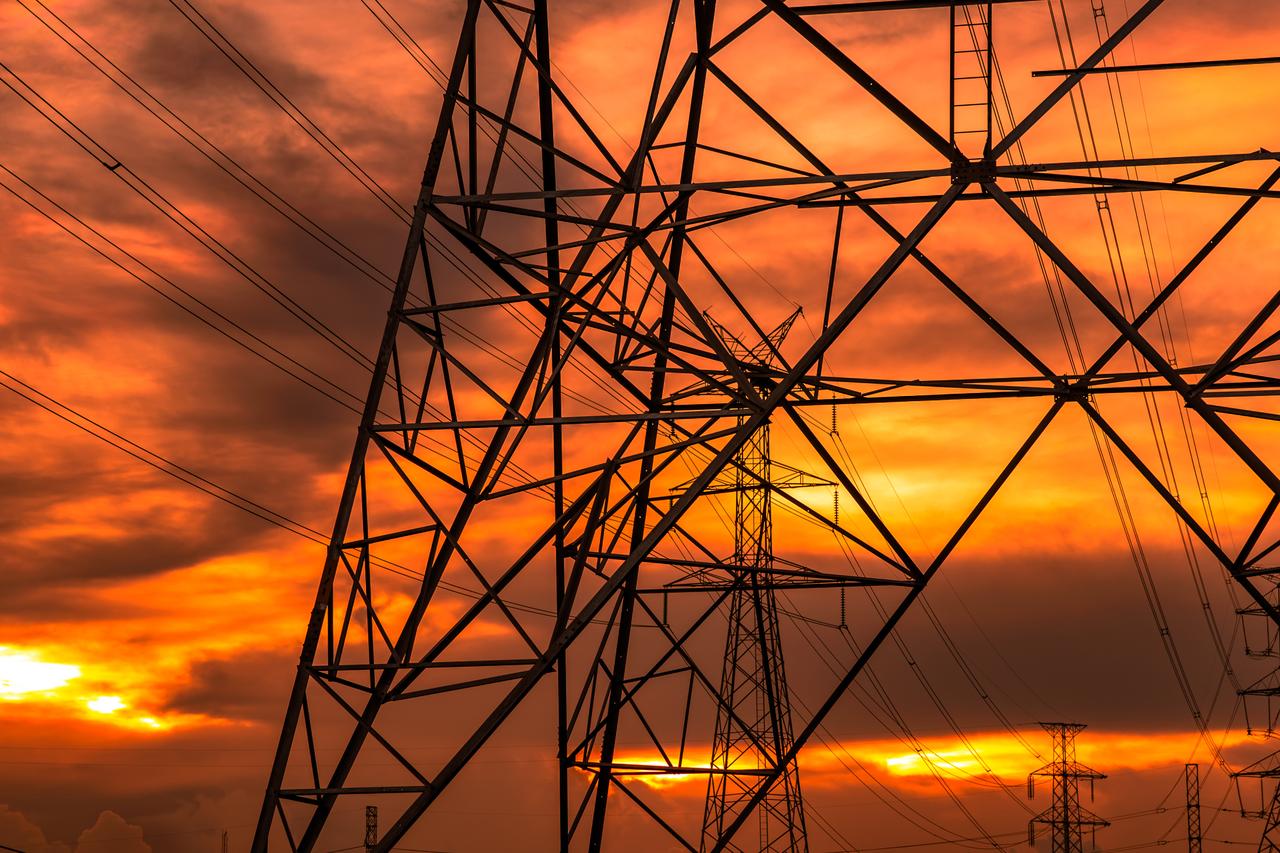
Avangrid, CMP’s parent company, is expected to build a 111-mile transmission line, mostly along its existing transmission corridors, from Haynesville to Pittsfield.
The project is expected to create 2,500 jobs during construction and $150 million in new local and state tax income, leading to almost $2.5 billion in total economic impact, the PUC said.
Bartlett said three aspects of the project could save Mainers, cumulatively, hundreds of millions on their bills over the next several decades.
First, the costs to build the transmission line are spread out among the five involved New England states. Maine consumers will only be responsible for about 11% of the cost of the transmission line; Bartlett declined to provide a dollar amount, citing ongoing negotiations.
Second,savings on contracts and credits. Barlett — again, without going into specifics because of ongoing negotiations — said he expects savings from long-term transmission and electricity generation contracts, as compared to what Maine might have been able to source from elsewhere, including Canada, over the next several decades.
Third, classic supply and demand. An 800-megawatt wind farm would be, by far, the largest renewable energy source in Maine, Bartlett said.
And, he said, that electricity generation would be most effective during the winter months, when Aroostook County’s plentiful wind resources are at their strongest and the rest of Maine’s grid at its most strained.
The transmission line connects the largely “untapped” wind resource of northern Maine to the rest of the New England grid, which Bartlett said adds reliable, clean, cheap power to the electricity supply market.
Over the next several decades, the PUC estimates Maine consumers could see up to $425 million in net benefits from this project.
Best case scenario, the wind farm won’t be finished until the early 2030s.
This is the kind of project that takes years to get approved, let alone built, Bartlett said.
The Federal Energy Regulatory Commission will review the transmission line and wind farm over the next year or so, and environmental regulators will have their say, too.
President Donald Trump and his administration have been particularly hostile to wind farm projects. Trump has attempted to kill several offshore wind projects, and he told Doug Burgum, his Interior Secretary, in March that he hopes no windmills are built during his second term.
He’s said emission-free windmills are “bad environmentally,” and that they kill birds at high rates. Outdoor cats kill about 6,000 times more birds annually than windmills do, studies show.
The Department of Energy, which oversees the agency that regulates wind farm projects, did not immediately respond to a request for comment.
If federal approvals come and the wind farm is eventually connected to New England’s grid, Bartlett said, it will have been well worth the wait.
Search
RECENT PRESS RELEASES
Related Post