EV drivers will see more fast charger stations across Minnesota
September 6, 2026
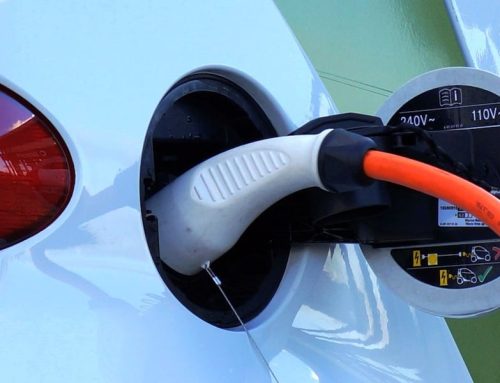
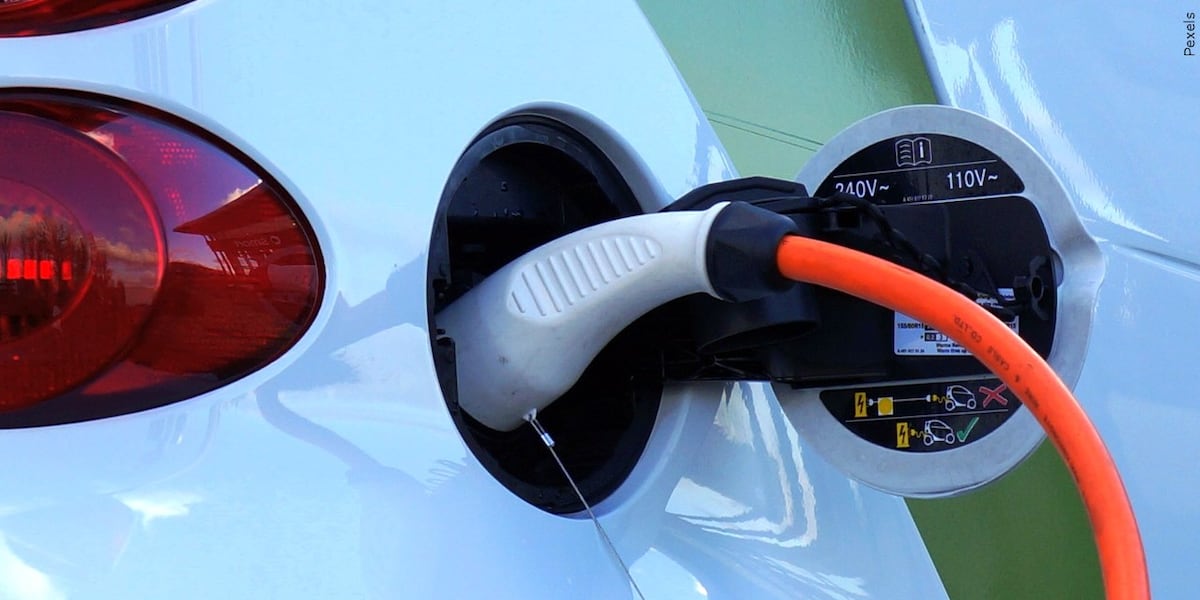
Electric vehicle charging access is set to expand in Minnesota. MnDOT plans to invest more than $41 million in new direct current fast-charging stations for EV drivers. The next round of federal funds will include building stations every 50-75 miles along major US and state highways.
Beth Kallestad, is MnDOT’s sustainable transportation planning director. She said this is now the third round of funding through the National Electric Vehicle Infrastructure (NEVI) program.
“Our next round of funding, we are focusing on US and state highways,” Kallestad said. “We’re trying to have there be stations every 50 to 75 miles or so along those major travel corridors. We are trying to help support those more rural locations with this funding to help make that range anxiety less of a concern. I think for us, seeing that network built out in those areas would be great. Then of course, starting to see station utilization. That’s going to vary and take some time, but we’re hoping to see, like 15-20% utilization eventually.”
MnDOT has identified 74 eligible location clusters for the next round of development. Each site will include at least four direct current fast-charging ports with a minimum capacity of 150 kilowatts for EV drivers.
“Our plan has been to build out the interstate corridors, which we are in the process of doing right now,” Kallestad said. “Those are already under contract and are being built. And then the next phase is the US and the state highways. We are looking at locations where people are using these grant dollars to help build on private property. So they’re not in our right of way, but they’re partnerships with the state and these private entities or public entities as well.”
Related Story; MnDOT’s expansion of Minnesota’s fast-charging EV network
Previous rounds of funding supported 24 fast-charging sites along Interstates 94, 35 and 90. Kallestad said additional charging options are also being considered for EV drivers in smaller, more rural communities.
“Then when you get to smaller communities, that’s gonna be maybe a different type of charging, maybe level two charging,” Kallestad said. “And that might be more to the municipalities and counties to help to build out that infrastructure. So we’ll see after we get done with these, with all these fast chargers where we’re gonna go from there. But that’s our plan right now.”
MnDOT said construction on many of these projects could begin as early as 2028. Overall these infrastructure investments will create a more connected electric vehicle charging network for EV drivers across greater Minnesota.
Search
RECENT PRESS RELEASES
Related Post