Google Backs $350M West Virginia Clean Energy Project
September 2, 2026
- The project combines 86 MW of solar with 380 MWh of battery storage, including a 10-hour zinc-based long-duration system.
- Google will purchase the project’s energy, capacity and clean energy attributes to support its regional data center operations.
- MN8 estimates up to $350 million in investment, 200 construction jobs and about $4 million in local property tax revenue over 20 years.
Google, MN8 Energy and Eos Energy Enterprises are developing a multi-technology clean energy project in West Virginia designed to deliver dispatchable power to the PJM grid.
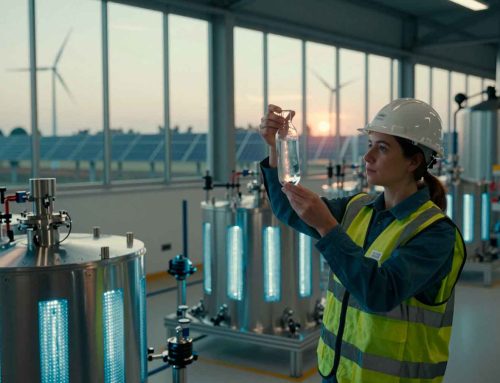
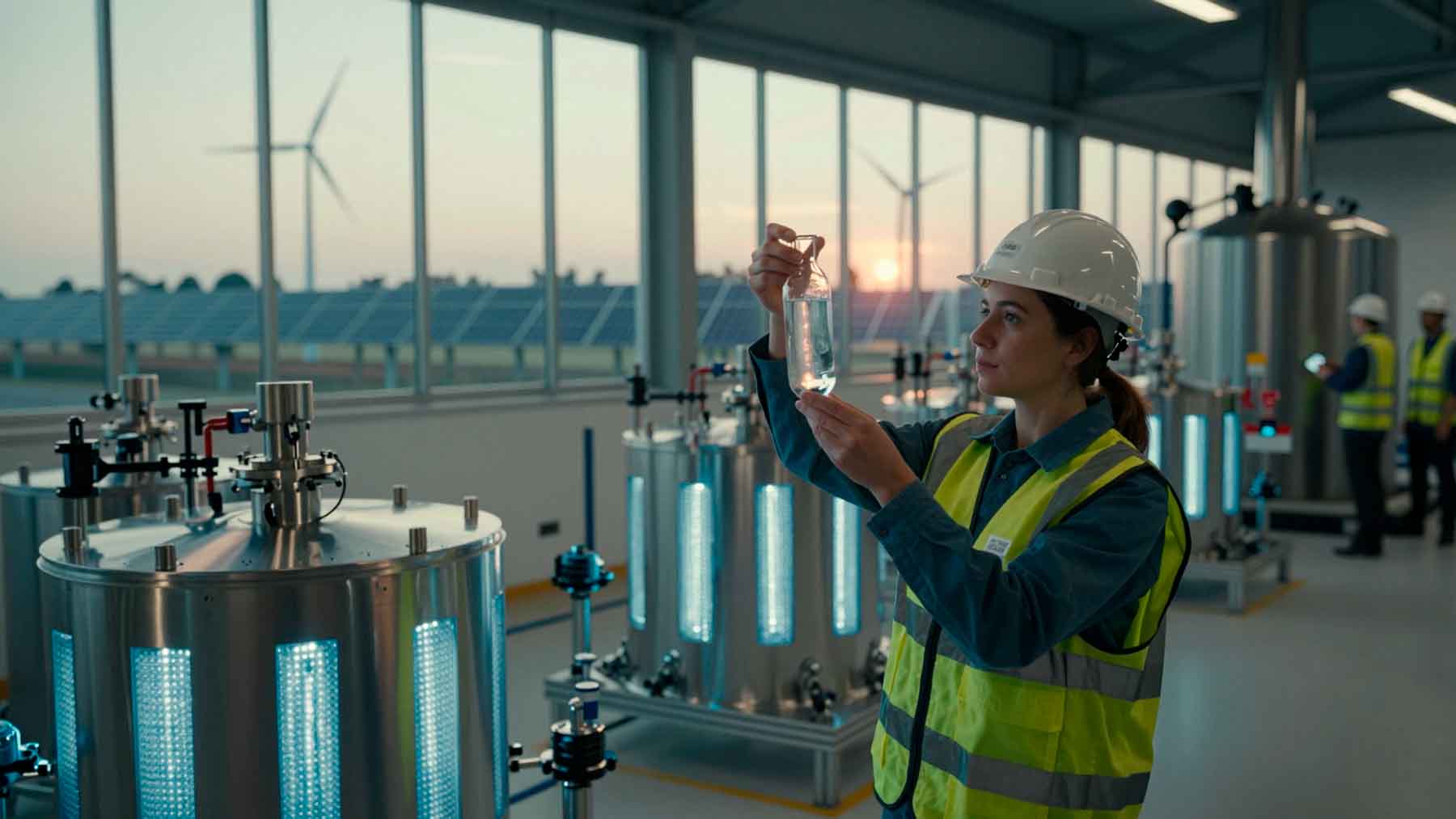
The project will combine utility-scale solar with lithium-ion batteries and zinc-based long-duration energy storage. It is intended to support rising regional electricity demand, including demand from Google’s data center operations.
MN8 will own and operate the project, known as Mammoth Solar. The portfolio will include 86 MW of solar generation, 70 MW/280 MWh of lithium-ion storage and 10 MW/100 MWh of Eos zinc-based storage.
The solar facility is expected to begin commercial operations in 2028. Lithium-ion storage is scheduled to follow in 2029, with the long-duration system planned for 2030.
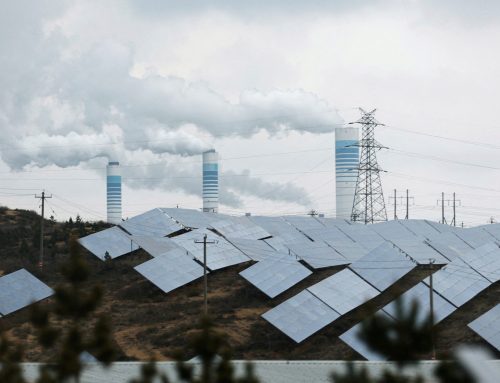
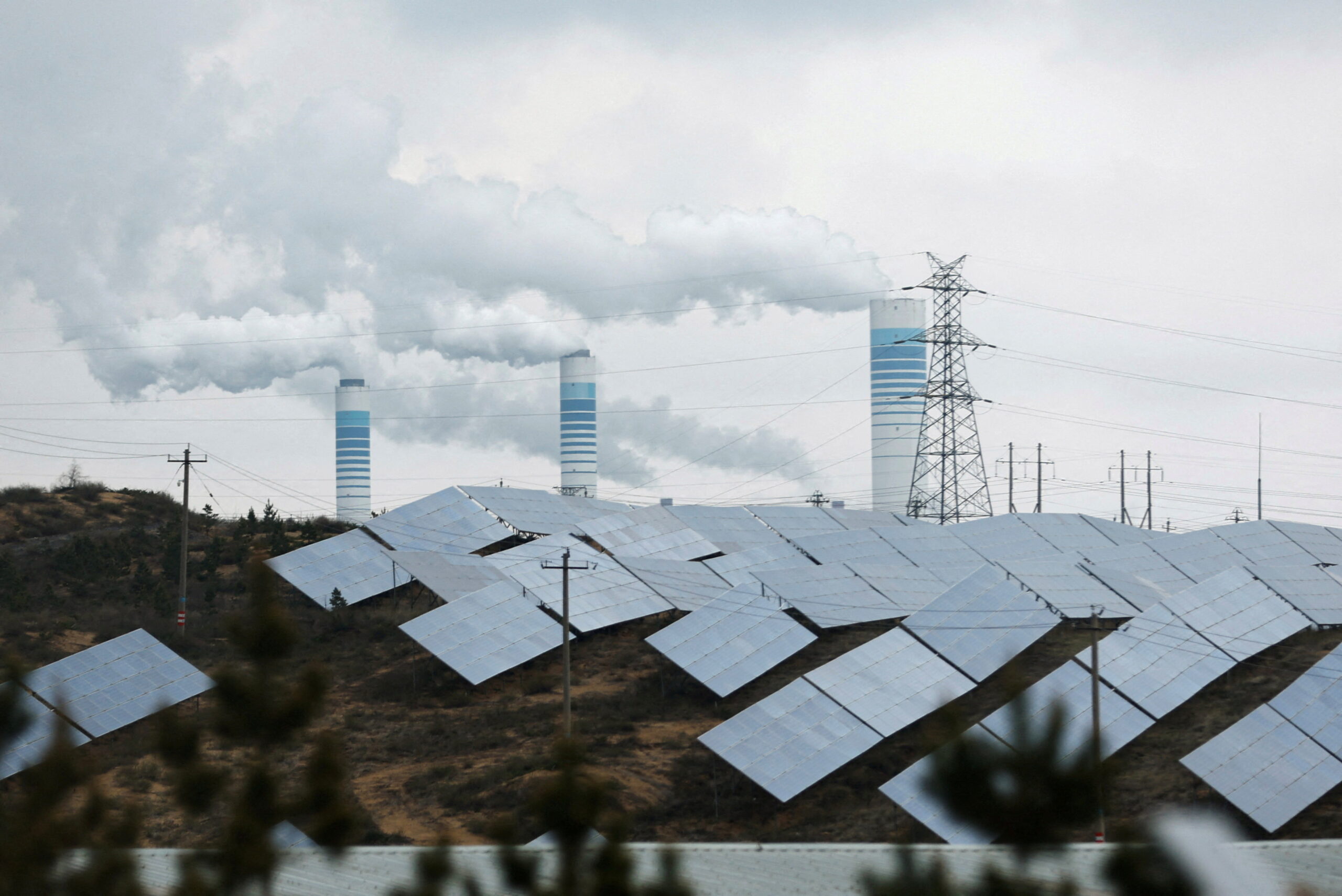
MN8 designed Mammoth Solar as an integrated generation and storage resource in Kanawha County. The project will sit on a reclaimed coal mine, linking West Virginia’s legacy energy economy with new electricity infrastructure.
The combination of short- and long-duration batteries is intended to extend renewable generation across more hours of the day. That could make the project better suited to data center load profiles than solar generation alone.
It will also be West Virginia’s first commercial-scale deployment of long-duration energy storage.
“At Google, we’re committed to backing solutions that both serve our data center capacity needs and accelerate progress toward cleaner, more affordable energy systems,” said Lucia Tian, Director, Advanced Energy Technologies at Google. “This collaboration with MN8 and Eos aims to deploy a smart portfolio of round-the-clock technology solutions to help power our digital infrastructure, while creating meaningful economic benefits for West Virginia.”

Google will purchase the project’s energy, capacity and clean energy attributes. The agreement forms part of the company’s broader effort to add electricity resources to grids supporting its operations.
For large technology companies, securing generation alone is becoming less sufficient as power demand rises. Capacity, reliability and the timing of electricity supply are increasingly central to procurement strategies.
RELATED ARTICLE: Google Commits $60M to U.S. Water Stewardship
The project will use Eos Energy Enterprises’ Z3 zinc-based battery technology. The 10 MW system will provide 100 MWh of storage, equivalent to 10 hours at full output.
It will be Google’s first project using Eos’ Z3 technology and the first deployment under a previously announced supply agreement between MN8 and Eos.
“This project reflects what MN8 does best: understanding a customer’s unique energy profile and building a solution around it,” said Jon Yoder, President and CEO of MN8 Energy. “Because Google was willing to pair next-generation storage with utility-scale solar, we could engineer proven and emerging technologies into one dispatchable resource – and deliver clean, around-the-clock power where the grid needs it most.”

Eos manufactures its zinc-based systems in Pennsylvania. The technology provides an alternative to lithium-ion batteries for applications requiring longer discharge periods.
“The grid needs more from every megawatt of new generation,” said Nathan Kroeker, Chief Commercial Officer at Eos. “Our work with Google is focused on deploying American-made long-duration storage where it solves real grid reliability challenges. Z3 extends the value of clean generation across more hours, strengthens the overall portfolio, and delivers more dependable capacity when it’s needed most.”

MN8 estimates the project could generate up to $350 million in capital investment. Construction is expected to support about 200 jobs.
The company also expects approximately $4 million in property tax revenue for Kanawha County and local schools during the first 20 years of operation. Additional tax revenue would continue during the following 15 to 20 years.
For executives and investors, the project illustrates how corporate clean energy procurement is expanding beyond traditional renewable PPAs. Buyers increasingly need projects capable of addressing capacity constraints, grid reliability and around-the-clock electricity requirements.
That shift could create a larger commercial role for long-duration storage, particularly in regions facing rapid load growth from digital infrastructure.
In PJM, where electricity demand and interconnection pressures are growing, combinations of renewable generation and storage could become an increasingly important part of the capacity mix. The West Virginia project will provide an early test of whether emerging storage technologies can compete within that changing system.
The ESG News Editorial Team is comprised of veteran financial journalists and sustainability analysts dedicated to providing real-time, objective reporting on global ESG regulations, climate finance, and corporate governance. Our desk monitors daily developments from the SEC, IFRS, CSRD and international regulatory bodies to ensure our 1M+ readers receive accurate, data-driven insights into the evolving sustainable investment landscape. Follow the ESG News Editorial Team for expert reporting on global sustainability standards, ESG disclosures, and climate policy. Access over 10,000 investigative reports and real-time updates.
Search
RECENT PRESS RELEASES