Many Banks Still Won’t Work With Marijuana Businesses, Federal Report Shows
September 8, 2026
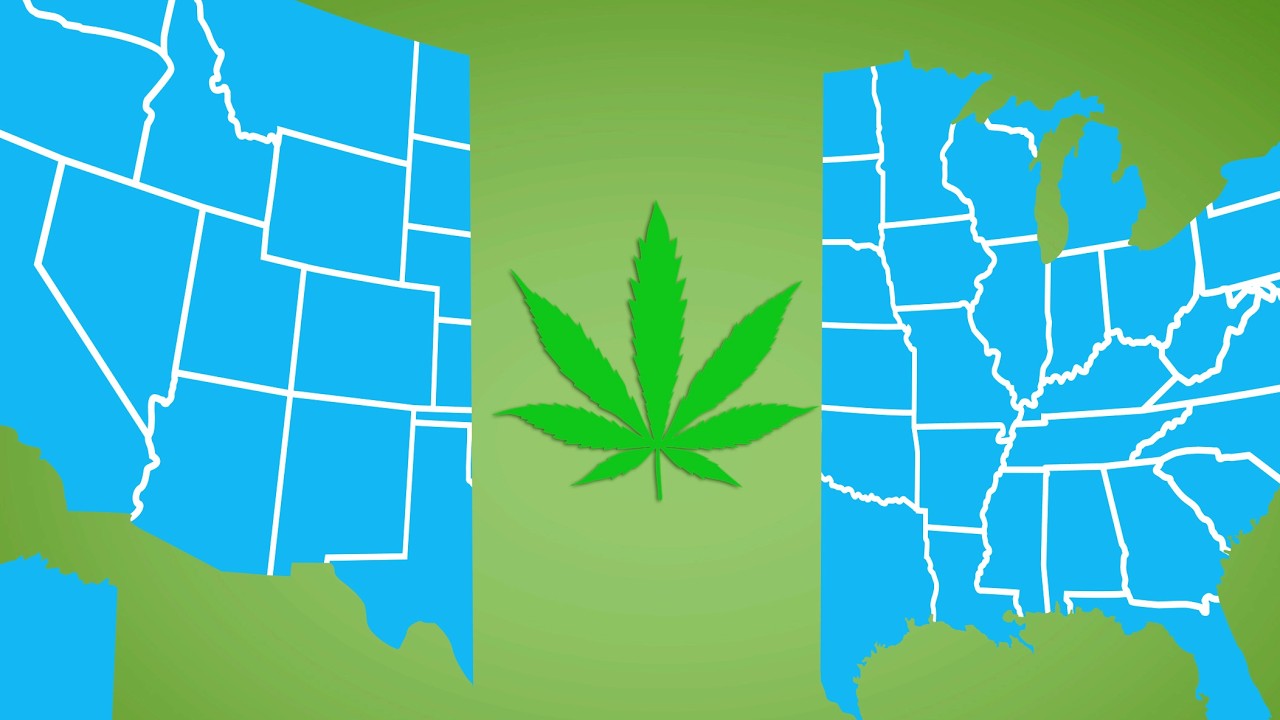
Many banks are still reluctant to provide services to state-licensed marijuana businesses, according to a new federal report.
The Government Accountability Office (GAO) conducted a series of focus groups and interviews with cannabis industry operators, financial services providers, advocacy groups and federal agencies to study the issue.
The agency’s report, published on Tuesday, concludes that while there is “no indication” any bank has ever been penalized solely for working with the marijuana industry, an ongoing perception of regulatory risks means that “obtaining and maintaining financial services remain difficult” for cannabis-related businesses (CRBs).
Data from the Financial Crimes Enforcement Network (FinCEN) shows that the number of financial institutions that filed reports indicating they work with marijuana businesses increased between 2015 and 2024, with about 1,000 banks and credit unions doing so in 2024—but that it “remained relatively small compared to the total nationwide.”
While most cannabis industry participants that GAO spoke to did have bank accounts, they reported various “difficulties.”
“For example, they said financial institutions closed their accounts, sometimes with little warning, or charged them high fees. Participants in seven of eight focus groups described paying monthly or annual account fees, with two focus group participants stating they paid $100,000 or more per year. Consistent with these reports, participants in all focus groups with institutions that serve CRBs said their institutions charge CRBs higher fees than other types of customers. CRB owners and managers also noted that the process of opening an account was lengthy, with some waiting weeks or months before the account was operational. A few focus group participants also discussed engaging with multiple financial institutions before successfully opening an account.”
“Obtaining and maintaining financial services remain difficult for CRBs, according to CRB owners and managers,” the report says. “For example, CRBs may experience bank account closures, high fees for bank accounts, and high interest rates for business loans. Further, accepting customer payments is difficult largely because two major credit card companies prohibit cannabis purchases.”
Beyond bank accounts, participants also told GAO about problems with access to loans, investments, payroll services, credit cards and electronic payments.
The issue doesn’t just touch cannabis businesses themselves, the agency said, as many marijuana industry workers also experience difficulties accessing financial services.
“Representatives from two cannabis industry associations similarly said that individuals working in the industry can face challenges maintaining bank accounts and obtaining car loans, mortgages, or life insurance,” the report says. “Treatment may vary by an individual’s role within the business. For example, participants in two of four focus groups with financial institutions that do not serve CRBs indicated they would provide personal banking services to CRB employees but not owners.”
While financial services industry participants in GAO’s focus groups cited fears about “adverse supervisory actions from their federal banking regulator” for working with marijuana businesses, the agency could not identify any such punishment ever occurring.
“We found no indication that financial institutions have been subject to civil or criminal penalties solely for providing services to CRBs. DOJ officials said their data systems do not allow them to easily identify cases involving financial institutions that serve CRBs, and therefore they could not provide information on whether any institutions had been investigated or prosecuted for serving CRBs. In our interviews, officials from federal banking regulators and financial industry associations did not identify any such instances. Nor did our focus groups and interviews with representatives of dozens of institutions that serve CRBs identify such instances. Furthermore, federal banking regulator officials said that they had not taken any enforcement actions against their supervised institutions solely for serving CRBs.”
Aside from legal and regulatory risks, banks cited the “operational workload and compliance burden” associated with serving marijuana businesses, GAO said. Under FinCEN guidance issued in 2014, financial institutions must regularly file suspicious activity reports (SARs) on their cannabis industry customers, for example.
GAO conducted its review after receiving a request to examine marijuana industry banking issues from Sens. Raphael Warnock (D-GA), Elizabeth Warren (D-MA), Tina Smith (D-MN) and John Fetterman (D-PA).
In June, bipartisan U.S. House and Senate members refiled legislation to protect banks from being punished for providing financial services to marijuana businesses.
GAO found that if such a safe harbor law were enacted, some industry participants believe it would lead financial institutions to begin serving cannabis businesses, while others said that “some institutions would not change their policies without other reforms, such as federal legalization of cannabis or reductions in [Bank Secrecy Act] compliance requirements.”
Marijuana Moment is made possible with support from readers. If you rely on our cannabis advocacy journalism to stay informed, please consider a monthly Patreon pledge.

Search
RECENT PRESS RELEASES
Related Post