Oman plans to substantially expand renewable energy by 2030
September 6, 2026
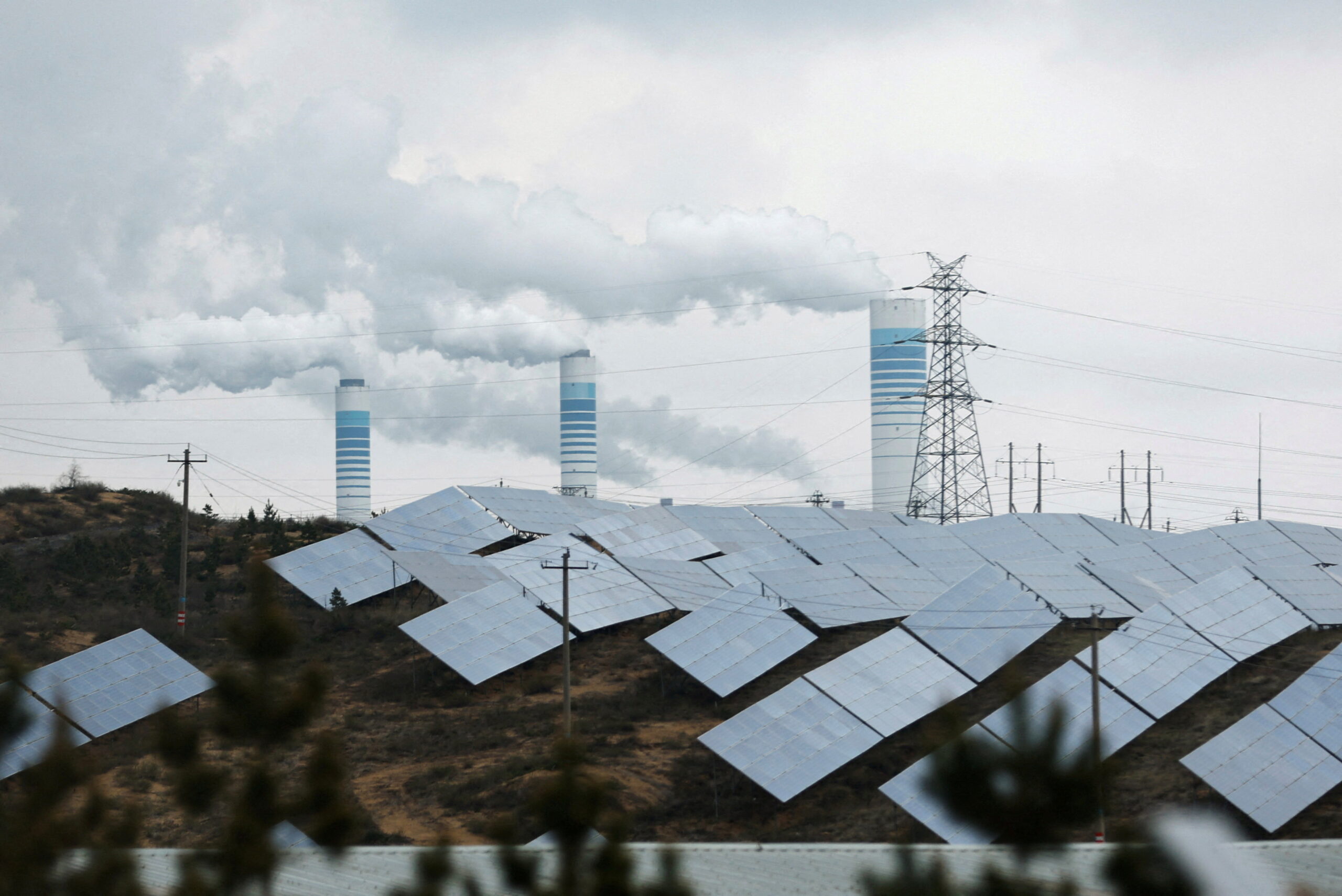
Oman plans to add around 5.7 GW of solar generation, more than 2 GW of wind power and 1 GW of energy storage systems by the end of the decade. The country, which is a major producer of oil and gas, is expanding renewable energy as part of a policy to diversify its energy mix and transition to a low-carbon economy, OilPrice reports.
Net-zero strategy
Oman’s Ministry of Energy and Minerals launched an updated net-zero strategy and a regulatory framework for the carbon market this year. Implementation of the plan and tracking progress on emissions will be coordinated by the Oman Centre for Net Zero, which is part of the ministry’s structure.
The country’s government aims to reduce carbon emissions by 33% by 2035. This includes energy diversification, the development of carbon capture and storage technologies, as well as adaptation projects in seven key sectors. The new carbon market framework is intended to establish rules and simplify participation procedures for private investors and small and medium-sized businesses.
Solar plants and storage systems
Several large renewable energy facilities are already operating in Oman. The 50 MW Dhofar I wind farm in the south of the country was commissioned in 2019. The 500 MW Ibri II solar power plant began operating in 2021, and its expansion with a 100 MWh storage system is planned to be completed in 2027.
More current news is available on the UA.News Telegram channel Telegram.
In January 2025, two solar power plants with a combined capacity of 1 GW began operating in the wilayat of Manah, in the Ad Dakhiliyah Governorate. The Adam Solar project with an energy storage system is to be connected to the grid in the first quarter of 2028. Three more 1 GW solar projects — Kamil Solar II, Dhofar and Mahadah — are expected in 2029–2030. The 500 MW Sinaw project was awarded to a consortium led by France’s EDF.
Pumped storage and green hydrogen
The country also plans to implement the Wadi Dhayka Hydro Pump pumped-storage project. It will use the existing Wadi Dhayka Dam as the lower reservoir and a new upper reservoir on the Jabal Al Abyad plateau. The facility’s stated capacity is nearly 1.98 GW, while its storage capacity is 17,970 MWh with a duration of up to nine hours.
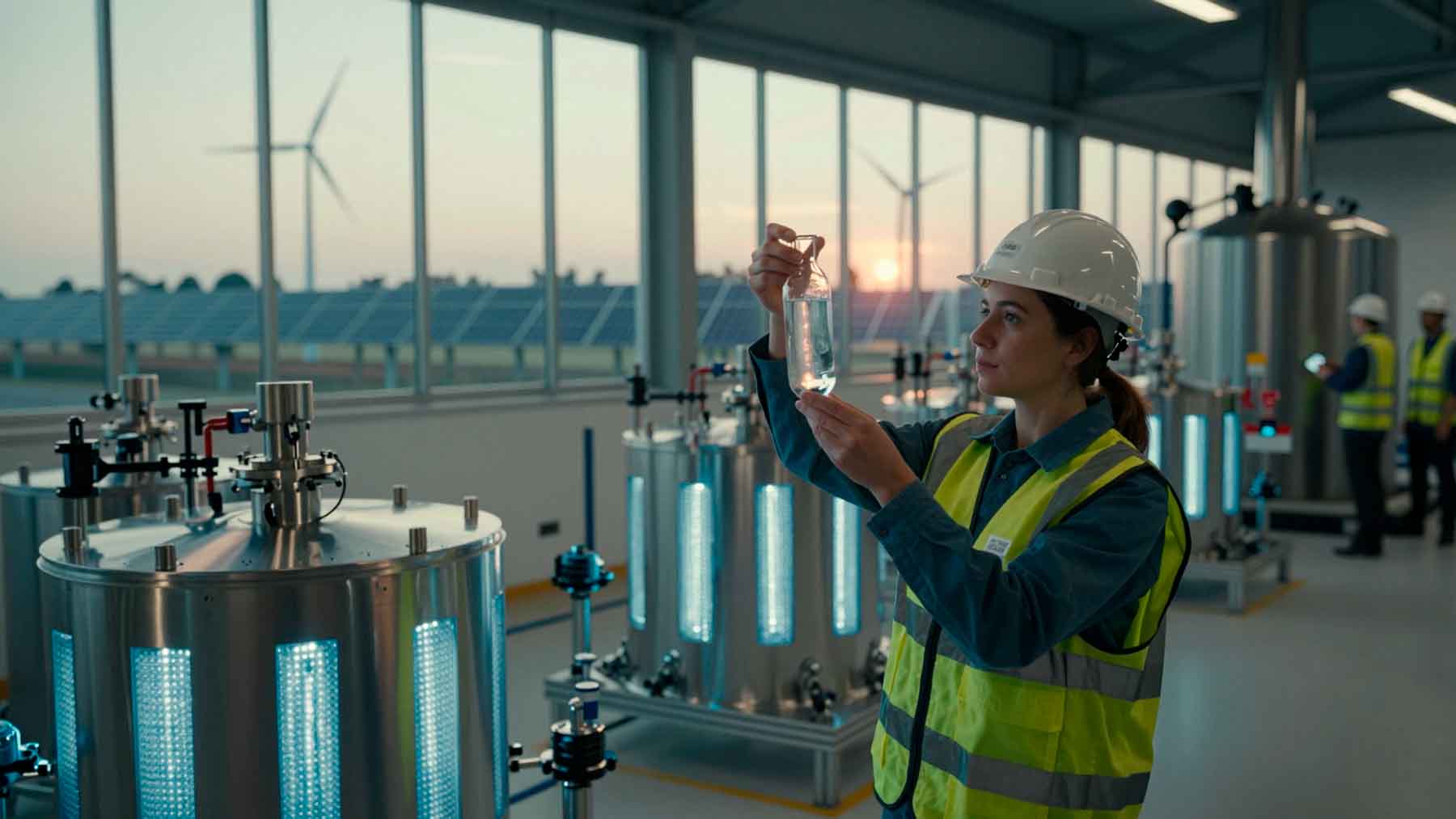
Oman also intends to build seven green hydrogen production projects by 2030, with total output of 1 million tonnes per year. At the same time, the country is not abandoning fossil fuel production: according to Energy Minister Salim al-Aufi, average oil and condensate production amounts to around 1 million barrels per day, while gas production exceeds 151 million cubic metres per day.
Download our app

Search
RECENT PRESS RELEASES