Türkiye records fastest electricity demand growth among IEA members
September 7, 2026
Türkiye’s electricity demand grew by an annual average of about 5% from 2005 to 2024, recording the fastest growth among International Energy Agency (IEA) member countries, according to a new report.
Information compiled by Anadolu Agency from the IEA’s “Türkiye Energy Policy Review Report” showed that Türkiye’s strong economic and population growth is reshaping its energy needs.
Electricity demand is expected to continue rising in the coming years, with the National Energy Plan projecting demand to reach 510 terawatt-hours in 2035.
The IEA has 32 member countries, including the U.S., Germany, Belgium and the United Kingdom.
The report said Türkiye’s rapid increase in electricity demand, together with growth in renewable energy capacity, means grid infrastructure, storage, flexibility and demand management will be critical issues for the country’s energy system in the coming period.
It noted that electricity demand in Türkiye increased by an annual average of about 5% between 2005 and 2024, the fastest rise among IEA member countries.
Rising demand and expanding renewable energy capacity are expected to put additional pressure on the power grid, the report said.
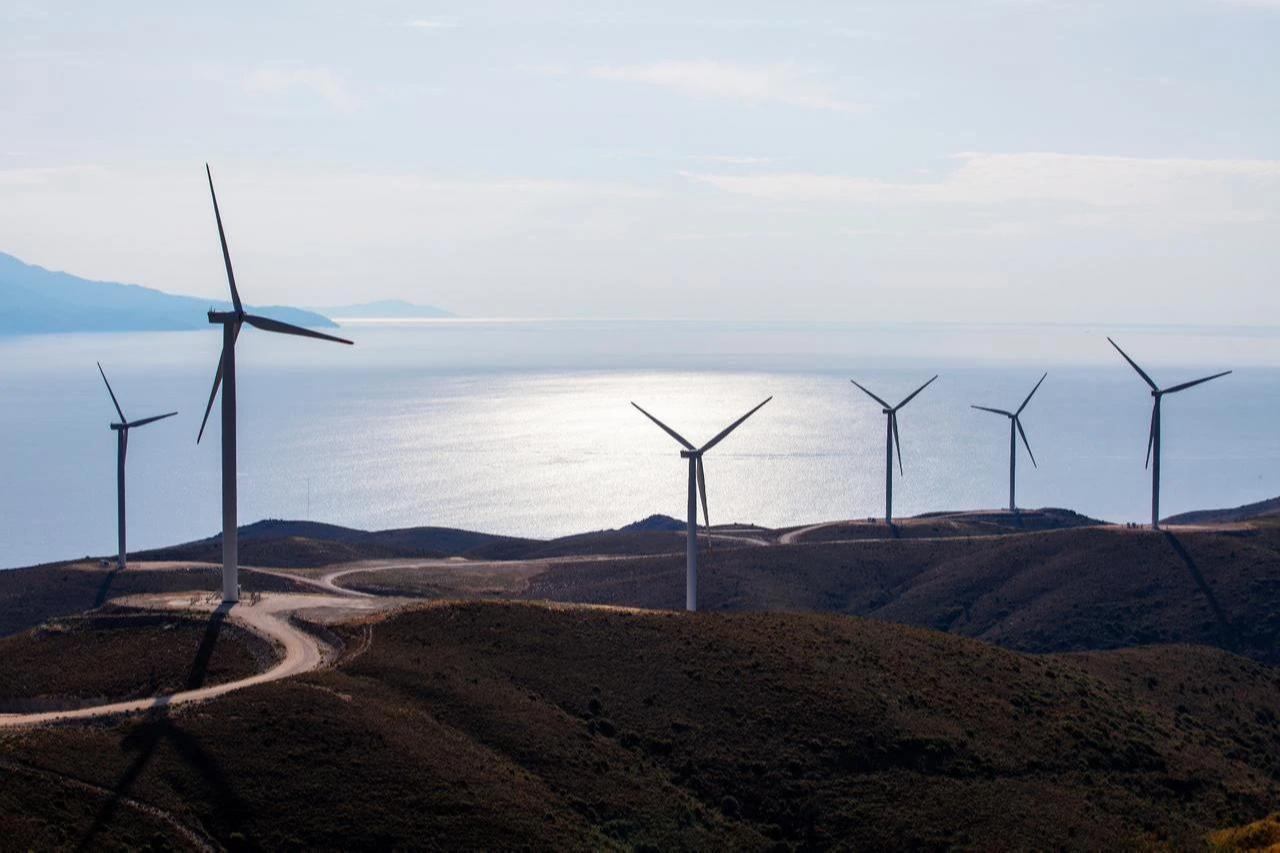

Wind turbines operate along a coast in Türkiye. (Adobe Stock Photo)
The IEA report said growth in electricity demand was driven mainly by economic activity, particularly in industry and services.
In households, electricity consumption rose 14% from 2023 to 2024.
According to the report, the increase was driven by rising use of air conditioners and electrical appliances, as well as the spread of electrification in heating and cooking in some regions.
The report also said Türkiye broke new records in electricity demand during the summer months.
The country’s peak electricity demand reached a new high of 59.5 gigawatts during a heat wave in July 2025.
Renewable energy sources are expected to play a greater role in meeting Türkiye’s rising electricity demand.
Renewables met 43% of Türkiye’s total electricity generation in 2025, while that share is targeted to rise to 55% in 2035.
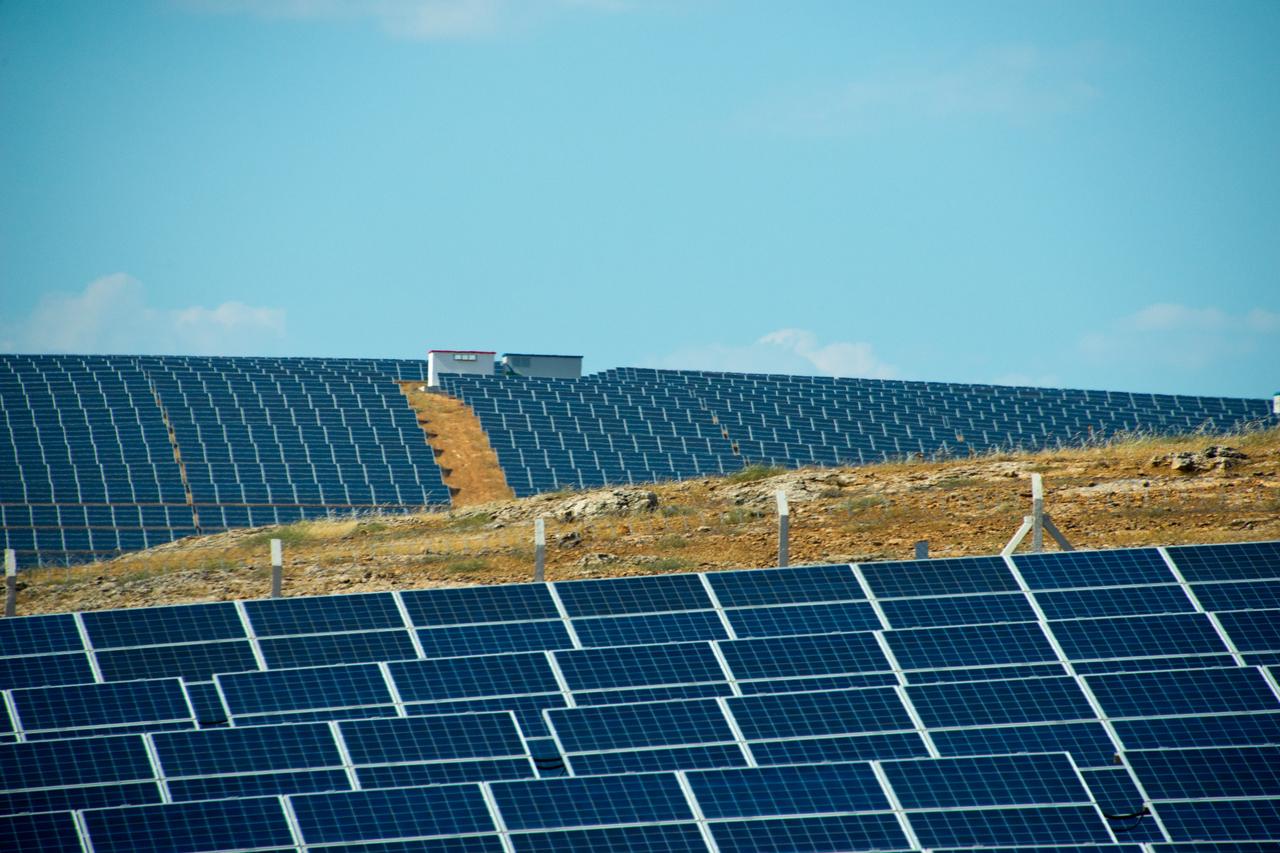
Installed solar power capacity is projected to rise from 20 gigawatts in 2024 to 77 gigawatts in 2035.
Wind capacity is expected to increase from 13 gigawatts (GW) to 43.1 GW over the same period.
However, the IEA said the rapid increase in renewable energy capacity also requires improving the flexibility of the electricity system.
More to Read

Türkiye targets 35 GW of flexibility by 2035
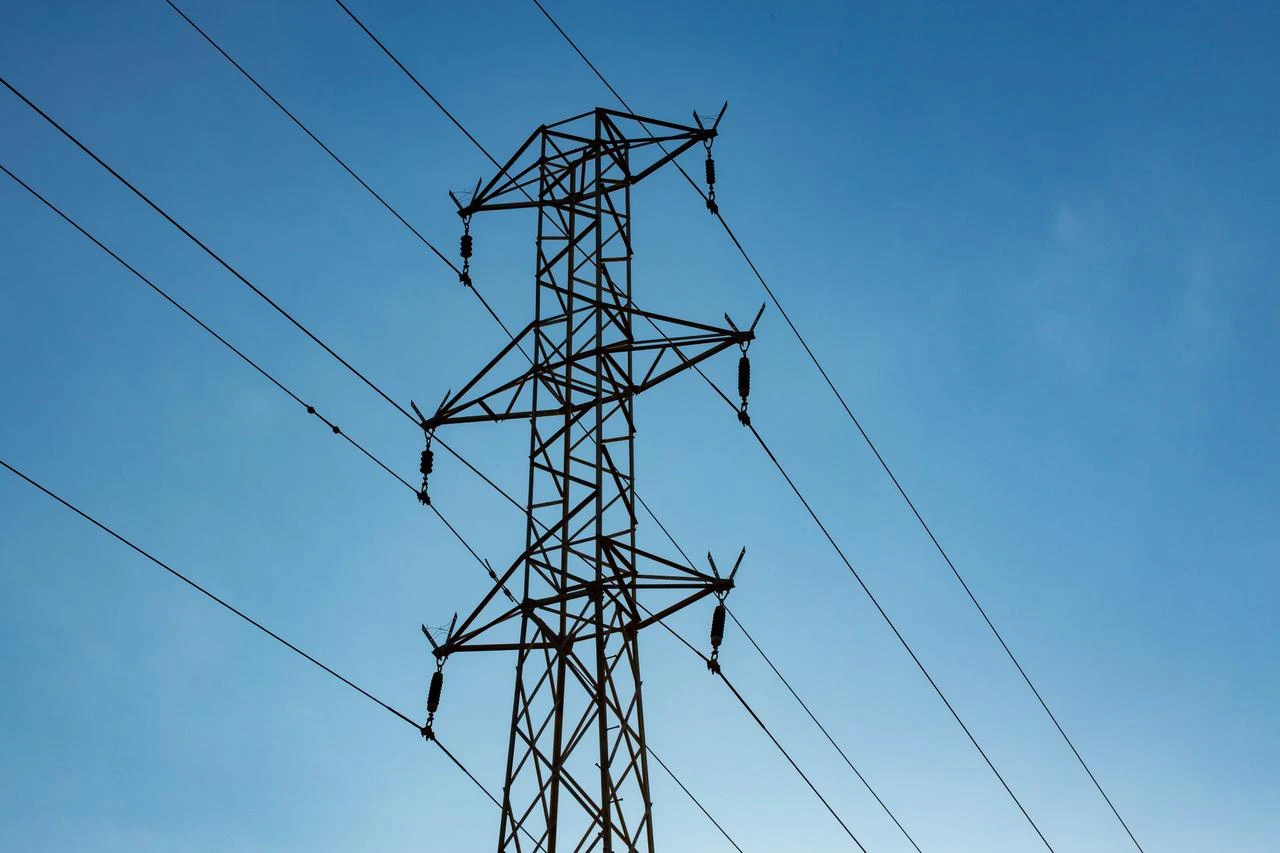
In Türkiye’s energy transition, the need to reliably transfer electricity into the system and make it available during periods of high demand is becoming as important as installing new generation capacity.
Türkiye’s smart grid road map foresees the creation of 35 GW of flexible resources by 2035.
Of that, 10 GW will come from rooftop solar energy and storage, 10 GW from large-scale energy storage, 5 GW from grid management and 10 GW from demand-side management.
Türkiye also plans to significantly increase its electricity interconnection capacity with neighboring countries by 2035.
Export capacity is targeted to be tripled to 6.75 GW, while import capacity is expected to increase fivefold to 6.6 GW.
The plan also includes the construction of 14,700 kilometers of high-voltage direct current lines.
The IEA said Türkiye needs to accelerate investments in grids, energy storage and other flexibility resources to meet its rising electricity demand.
Commenting on the report, IEA President Fatih Birol said that as Türkiye’s energy demand continues to grow rapidly, investments in grids, flexibility and energy efficiency would strengthen energy security, support economic competitiveness and reduce the country’s exposure to volatility in international fuel prices.
Search
RECENT PRESS RELEASES