Wiener and Fynboh talk fraud, family farms and renewable energy at candidate forum
September 1, 2026
WADENA — Minnesota Senate District 5 candidates went head to head In a candidate’s forum Thursday, Aug. 27, in Wadena, hosted by the Todd-Wadena Electric Cooperative.
Skylar Fynboh
lives in White Oak Township in Hubbard County, south of Akeley. He is the DFL candidate for Senate District 5 and will face Republican candidate
Mike Wiener
of Long Prairie on the Nov. 3 General Election ballot.
Fynboh now works as a systems administrator for a local manufacturer, and before that he worked in emergency response. “I’m running for all of you,” he said. “I was a firefighter and an EMT. That’s how I elect to serve my community.”
Fynboh said elected officials have a responsibility to do their best for the people they represent. “I look at our government — people are too focused on soundbites and headlines,” he said. “I care about healthcare. I worked as an EMT, and I saw how our healthcare facilities are run. Nursing home staff are not paid enough. I’m Skylar Fynboh, and I’m here to work for you.”
Wiener
defeated incumbent Republican
Sen. Paul Utke of Park Rapids in a close Aug. 11 Primary Election.
Wiener is a husband and a father of nine children. He and his family raise Texas longhorn cattle.
He said he got involved in politics because he didn’t like the direction things were going. “I felt the government was not representing the people,” he said. “Our voices were not being heard down in the capital.”
His father always told him, “You can’t complain too much if you don’t get involved,’” he said. “Once I studied it – what the legislative representatives were doing, I decided to get involved.”
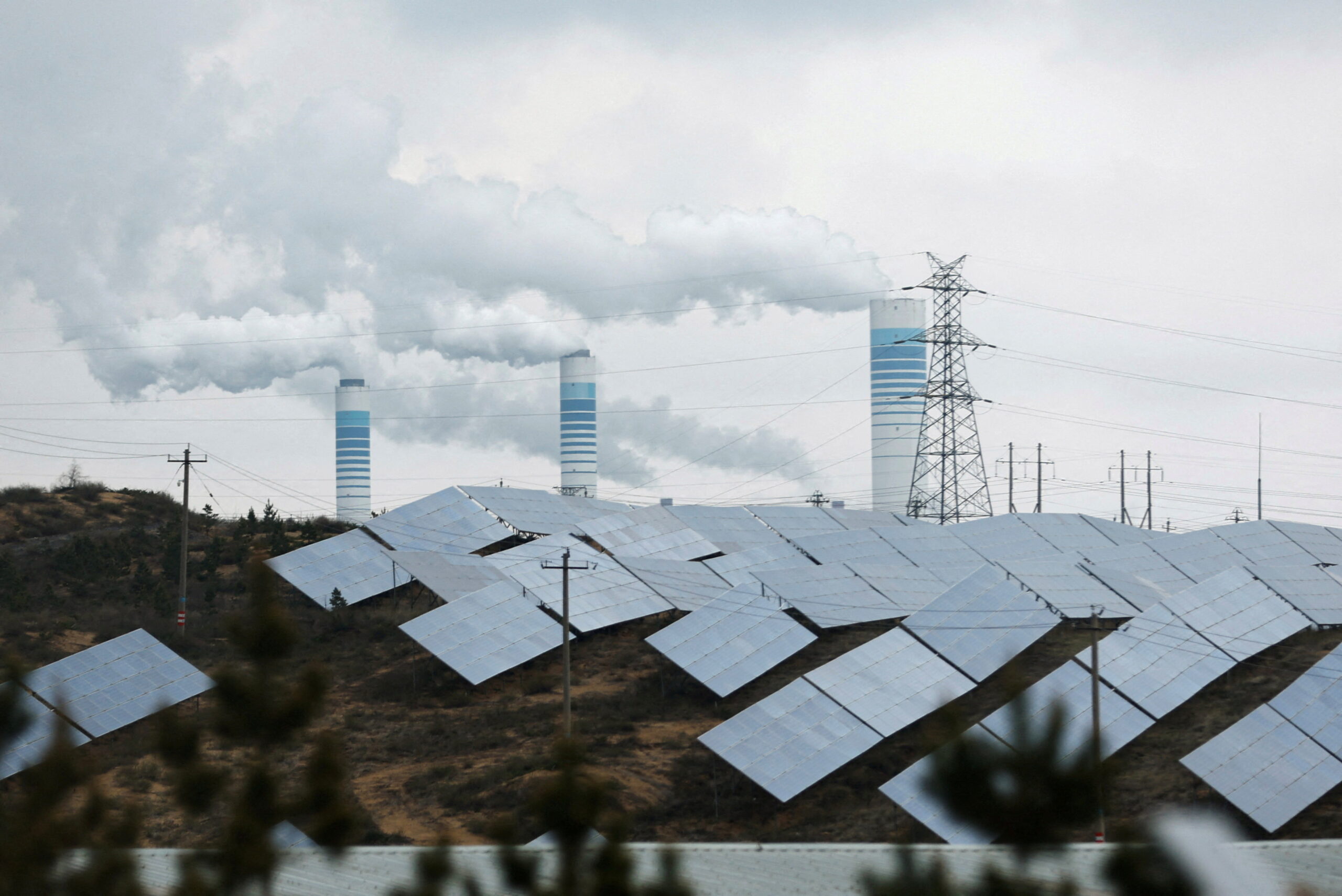
Renewable energy was raised in the forum, especially regarding a 2023 DFL-passed law that requires electric utilities to provide 100% carbon-free electricity by 2040.
Under the law,investor-owned electric utilities are required to be 80% carbon-free by 2030. That requirement is 60% for other electric utilities — like Todd-Wadena Electric Cooperative. However, all electric utilities must be 90% carbon-free by 2035, and 100% carbon-free by 2040.
Fynboh said, “My vision for renewables is putting as many in the hands of people as we can.” More small producers would help stabilize the electrical grid and reduce costs.

“The more people we have with solar panels on their roof, the better, ” he said. Things like micro-fusion units and home wind turbines would all help reduce American dependence on foreign fossil fuels. “Canada can flip a switch right now and make the power go off,” in large parts of the United States, he said.
Climate change is real, and those who claim the polar ice caps are not melting are wrong, he said. “Satelite photos show the ice caps are melting,” he said. “Junk science? Look it up and see for yourself. Ignoring climate means we’re going to have problems in the future. Our kids are going to have problems if we don’t do something about it now.”
Wiener, who sits on the House Energy Committee, said the 100% renewable energy bill was called the “blackout bill” by opponents when it was passed. “The renewable energy requirements made us noncompetitive with other states (in the region). Reliable, cheap energy made us a powerhouse in the first place.”
Artificial intelligence has a strong potential to help solve climate problems, which means climate change may not be an existential threat, he said. “If we over-regulate our companies, we will lose,” he said. “We are killing business in this state because of our environmental regulations here.”
Fraud is a big issue in Minnesota, and could end up being as much as $9 billion, then-First Assistant U.S. Attorney Joe Thompson said in a news conference in December. Or not. As of Aug. 25, documented cases being prosecuted total less than $500 million, which includes the $250-$300 million in the Feeding Our Future case.
Asked about fraud in Minnesota, Fynboh said cuts made by the state Legislature a decade ago may have helped pave the way for the later fraud. “In 2017 (when Republicans controlled the Legislature) we made a lot of cuts to a lot of agencies,” he said. “Who’s going to catch the fraud when there’s no one at the wheel?”
The state Human Services system is complicated and inefficient and needs to be reformed “to control fraud across the board,” he said.
Wiener said that “to downplay fraud is unbelievable to me,” he said. “This should have been a bipartisan issue. That money is your money. It’s theft out of your pocket.”

Contributed / Minnesota Secretary of State’s Office
Asked how to stabilize the farm economy, Fynboh said, “We have to support our farmers and get government out of the way.” The federal government has not been helpful to farmers lately, he said. Congress “dropped the ball on the Farm Bill,” he said. Also, “there are tariffs on the parts we use, oil prices are up — fed policy is not being handled well. We need the right to repair. We need to start listening to those who do the work.”
Wiener said the state budget has ballooned under DFL control and “it’s more expensive to farm because of regulations and taxes. Oil costs ebb and flow, but it really hurts our farmers. But so does over-regulation. It happens again and again and again,” he said, adding that Minnesota is driving agricultural businesses out of the state.
Search
RECENT PRESS RELEASES