Consumer trends are shifting towards Functional Wellness
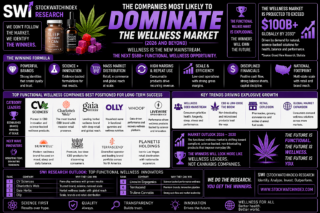
One of the most significant changes in 2026 has been the shift away from high-potency recreational products toward products positioned around relaxation, sleep, stress management, recovery and functional wellness. This trend increasingly resembles the nutritional supplement market rather than the traditional cannabis market. Companies with deep experience in cannabis cultivation and product design may have an advantage when entering or pivoting to this rapidly growing market of Hemp-Derived CBD and Low-Dose THC, which has become one of the fastest-growing new markets. Key products include CBD. low-dose THC beverages, CBD plus CBN sleep products, CBD plus adaptogen formulations, microdose gummies, and wellness beverages. Microdosing has become increasingly popular among consumers who want mild effects without significant intoxication.
Functional Wellness: A Most Attractive Pivot
Many cannabis companies are increasingly treating functional wellness as their next major growth platform. Rather than relying solely on dispensary sales, companies are expanding into mainstream retail channels, such as CBD tinctures, sleep gummies, stress-relief formulations, recovery beverages, functional drinks topical pain products and wellness capsules. These products appeal to consumers seeking health and lifestyle benefits rather than intoxication. Companies with expertise in formulation, consumer packaged goods, and distribution are generally better positioned than those focused solely on cultivation.
Access to a broader retail network – Less Regulations
Traditional cannabis consumers represent only part of the opportunity. Functional wellness products represent a much larger consumer base of older adults, fitness consumers. people seeking better sleep and consumers reducing alcohol consumption. This dramatically expands the addressable market. CBD and certain hemp-derived products are less regulated and can be sold through pharmacies, grocery chains, health food retailers, convenience stores and most imprtanty e-commerce. This provides access to a broader retail network than state-licensed cannabis dispensaries.
|