CANNABIS MARKET UPDATE JUNE 2026 – Companies expected to dominate the Wellness Market

July 2, 2026

The Market Remains in a Transition Period rather than a broad Recovery

SWI Portfolio Rises by 10.7% – Driven by One Outlier and a Reverse Split


The cannabis industry entered 2026 amid expectations of recovery driven by potential federal reform, improving capital markets, and ongoing state legalization. Instead, the industry remains in a transition phase rather than a broad recovery by the end of June. The sector is characterized as stable but fragmented. The SWI Portfolio has increased by 10.7%, marking the third consecutive monthly rise. This was mainly driven by three companies, with one, Verano Holdings’s share price posting the largest increase, partly due to a 5-for-1 reverse split. Recent portfolio adjustments reflect this trend, emphasizing selective growth among key holdings.


·     Retail demand remains resilient despite broader consumer spending pressures.

·     New adult-use markets continue to expand in several states.

·     Large multi-state operators (MSOs) improved operating discipline through cost reductions and positive cash flow.

·     Institutional investors have shown renewed interest in the sector following regulatory clarity in several states.


Continuing Challenges in the Cannabis Market


·     Wholesale cannabis prices remain under pressure due to oversupply.

·     Limited access to traditional banking and capital continues to constrain growth.

·     Heavy taxation and regulatory complexity continue to compress margins.

·     Smaller independent cultivators and retailers remain under significant financial stress.

·     Overall industry growth continues, but profitability remains concentrated among the largest operators.


Established markets continue to mature, and markets such as California, Colorado, Oregon, and Michigan remain under pricing pressure due to excess production. Meanwhile, newer markets remain attractive because of a more balanced supply-demand dynamic


Consumer trends are shifting towards Functional Wellness

One of the most significant changes in 2026 has been the shift away from high-potency recreational products toward products positioned around relaxation, sleep, stress management, recovery and functional wellness. This trend increasingly resembles the nutritional supplement market rather than the traditional cannabis market. Companies with deep experience in cannabis cultivation and product design may have an advantage when entering or pivoting to this rapidly growing market of Hemp-Derived CBD and Low-Dose THC, which has become one of the fastest-growing new markets. Key products include CBD. low-dose THC beverages, CBD plus CBN sleep products, CBD plus adaptogen formulations, microdose gummies, and wellness beverages. Microdosing has become increasingly popular among consumers who want mild effects without significant intoxication.

Functional Wellness: A Most Attractive Pivot

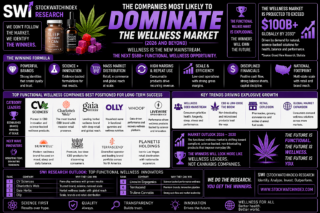
Many cannabis companies are increasingly treating functional wellness as their next major growth platform. Rather than relying solely on dispensary sales, companies are expanding into mainstream retail channels, such as CBD tinctures, sleep gummies, stress-relief formulations, recovery beverages, functional drinks topical pain products and wellness capsules. These products appeal to consumers seeking health and lifestyle benefits rather than intoxication. Companies with expertise in formulation, consumer packaged goods, and distribution are generally better positioned than those focused solely on cultivation.

Access to a broader retail network – Less Regulations

Traditional cannabis consumers represent only part of the opportunity. Functional wellness products represent a much larger consumer base of older adults, fitness consumers. people seeking better sleep and consumers reducing alcohol consumption. This dramatically expands the addressable market. CBD and certain hemp-derived products are less regulated and can be sold through pharmacies, grocery chains, health food retailers, convenience stores and most imprtanty e-commerce. This provides access to a broader retail network than state-licensed cannabis dispensaries.


Strategic Implications for Pivoting Cannabis Companies

A pivot toward functional wellness is most compelling when companies diversify beyond cultivation and flower sales, build recognizable consumer brands, expand into national retail channels to reach more consumers, invest in research-backed formulations, focus on recurring consumer use, and reduce reliance on highly regulated dispensary markets.


Outlook for the Second Half of 2026

The cannabis industry is likely to remain a selective investment environment rather than one experiencing a broad recovery. Within that category, pivoting to non-intoxicating CBD products and carefully regulated low-dose, hemp-derived THC functional wellness offerings remain attractive consumer segments. Still, companies must adapt to a rapidly evolving federal and state regulatory landscape, including specific compliance requirements such as federal restrictions. The long-term opportunity remains significant, but execution and regulatory compliance are becoming increasingly important competitive differentiators


If you want to follow other companies that we cover with in-depth articles and research reports,

Go to www.stockwatchindex.com or our research site at www.swiresearch.com.

If this has been passed on to you, and you want to receive the SWI Newsletter,

go to stockwatchindex.com/sign-up

Search

RECENT PRESS RELEASES