Why ‘some’ Las Vegas solar customers may see higher bills with Daily Demand
September 2, 2026
LAS VEGAS (FOX5) — FOX5 continues to cover your questions and concerns with the new Daily Demand billing structure from NV Energy, and FOX5 is now hearing from some solar customers that have received notices of projected bill increases.
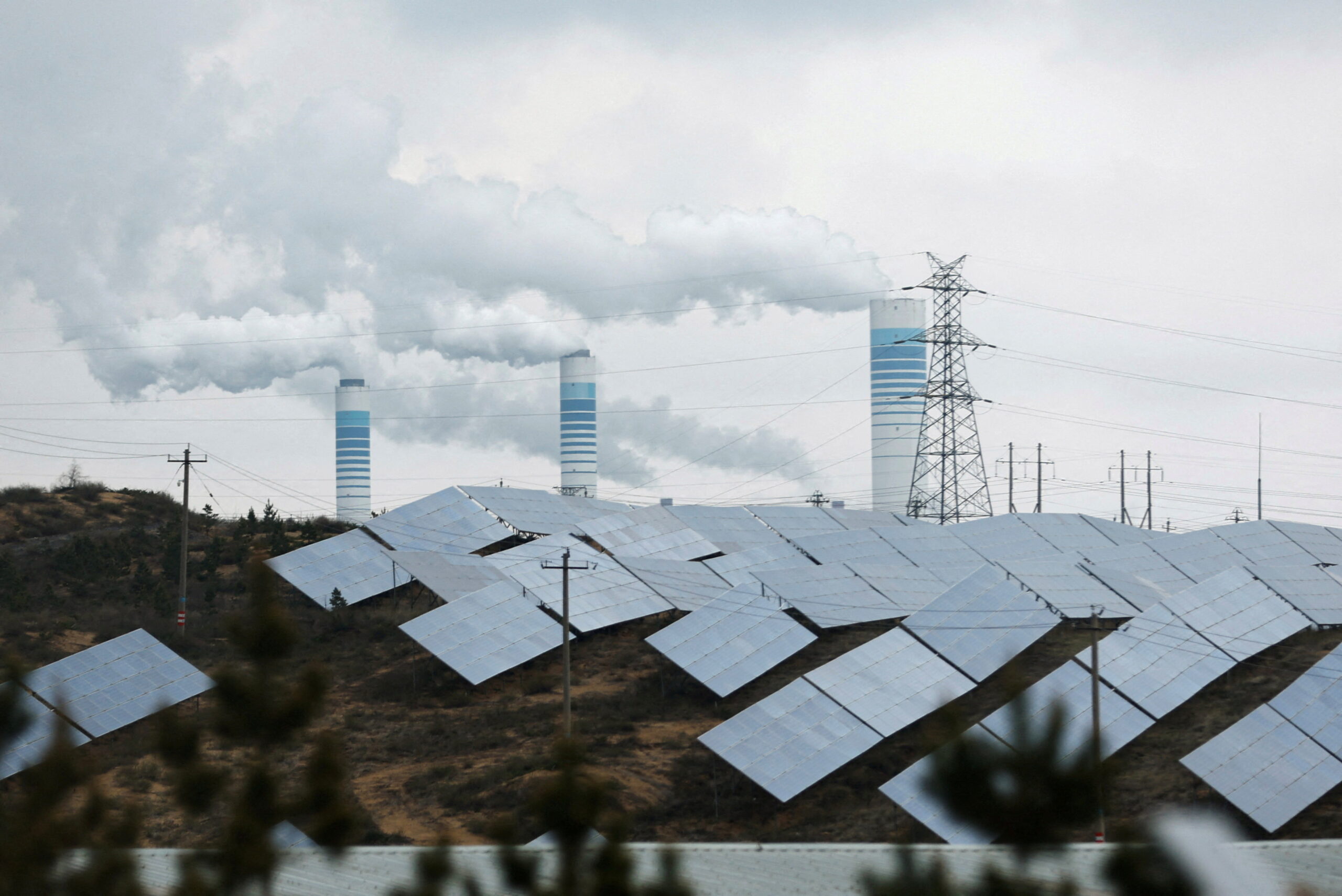
NV Energy officials said “many” people will see a bill decrease or no impact, but “some” solar customers may see bill increases. As of July, NV Energy recorded 1,064,543 customers in southern Nevada with 128,861 “net metered customers”- those with renewable energy and rooftop solar equipment.
Homeowner Lawrence West, who installed 55 solar panels to lower his energy bills, shared his bill projections with FOX5: an email estimate from NV Energy shows that he could be paying an additional $183 a year with Daily Demand.
West estimates the costs could be higher.
MORE ON FOX5: NV Energy accepting applications for expanded solar access program
“That’s $18 to $70 a month-and that’s after I paid for $40,000 for my solar panels to help out the demand on the infrastructure, to help out the demand on their plants, to help out the demand to the neighbors and the grid pulling, and after I paid all that, then they want another $500 a year on top of all that,” West said to FOX5. “I’m being screwed. People like me and other solar customers are being screwed,” he said.
FOX5 sent West’s concerns and projections to NV Energy’s spokesperson Justin Hopkins, who said the company couldn’t “validate individual estimates,” but directed customers to view the newly-launched daily demand web tool and look at Power Shift options to make cost-saving adjustments.
Hopkins notes, while solar customers receive credits for excess energy generated and sent back to the grid, solar customers still rely on the grid when it’s cloudy, dark outside, or when power use is higher than energy being generated.
FOX5 had a lengthy interview with NV Energy’s spokesperson on the purpose for Daily Demand, what the company calls “misconceptions” and the impact on your bill.
“What the state has said through law is that we have the legal authority to charge people in an equitable fashion, and over the last decade or more, that imbalance and that inequity has grown. One of the reasons why we’re doing daily demand is to try to bring that back, flatten it out, and make sure that people are being charged fairly and equitably across all customer types,” said spokesperson Justin Hopkins in that late July interview.
Hopkins referred us to an August 26 statement in a press release on Daily Demand to explain the “inequity” between solar customers and non-solar customers:
“As part of an effort to improve fairness in rate design, daily demand addresses longstanding concerns about cost shifts between customer groups, including rooftop solar and non-rooftop solar customers. The structure is designed to reduce the subsidy non-rooftop solar customers are currently paying for rooftop solar customers and better align electric rates with the costs of providing reliable service to all customers.”
A FOX5 viewer sent us her Daily Demand estimate that projected she would pay $113 more a year. “What can we do to reduce the energy bill?” she asked.
Hopkins sent FOX5 this statement with guidance:
“One factor that is often overlooked is electric vehicle charging. For many households, an EV is one of the largest electrical loads in the home. While EVs can significantly reduce transportation costs compared with gasoline vehicles, the electricity required to charge them can have a noticeable impact on a home’s electric bill.
Under daily demand, it’s not just how much electricity a customer uses that matters. It also matters how much electricity is being used at the same time. For example, charging an EV while the air conditioner, and other large appliances are running can create a higher daily demand than if those activities occur at different times. Customers can often reduce costs by spreading out major electrical loads, charging EVs when household demand is lower, and making the most of solar production during daylight hours. Daily demand resets each day, giving customers regular opportunities to manage and lower their costs.
Customers interested in reducing their energy use and monthly bills should also explore NV Energy’s PowerShift programs. PowerShift offers energy-saving tools and incentives that help customers lower electricity use during periods of high demand. Programs such as smart thermostat participation can automatically make small adjustments to energy use, helping customers save money while supporting overall grid reliability.
In addition, customers can use NV Energy’s daily demand web tool, available through MyAccount, to gain a personalized view of when their highest demand periods occur and identify opportunities to better manage energy use. The tool allows customers to see how habits such as EV charging, air conditioning use, and appliance operation affect daily demand and potential costs.”
Homeowners and customers with certain incomes that would like solar energy can apply to the Expanded Solar Access Program (ESAP): customers can access solar energy at a guaranteed lower rate without needing to install solar panels. For more information, click here: ESAP
Copyright 2026 KVVU. All rights reserved.
Search
RECENT PRESS RELEASES